
- Catalog
- Books
- Witchcraft Wicca
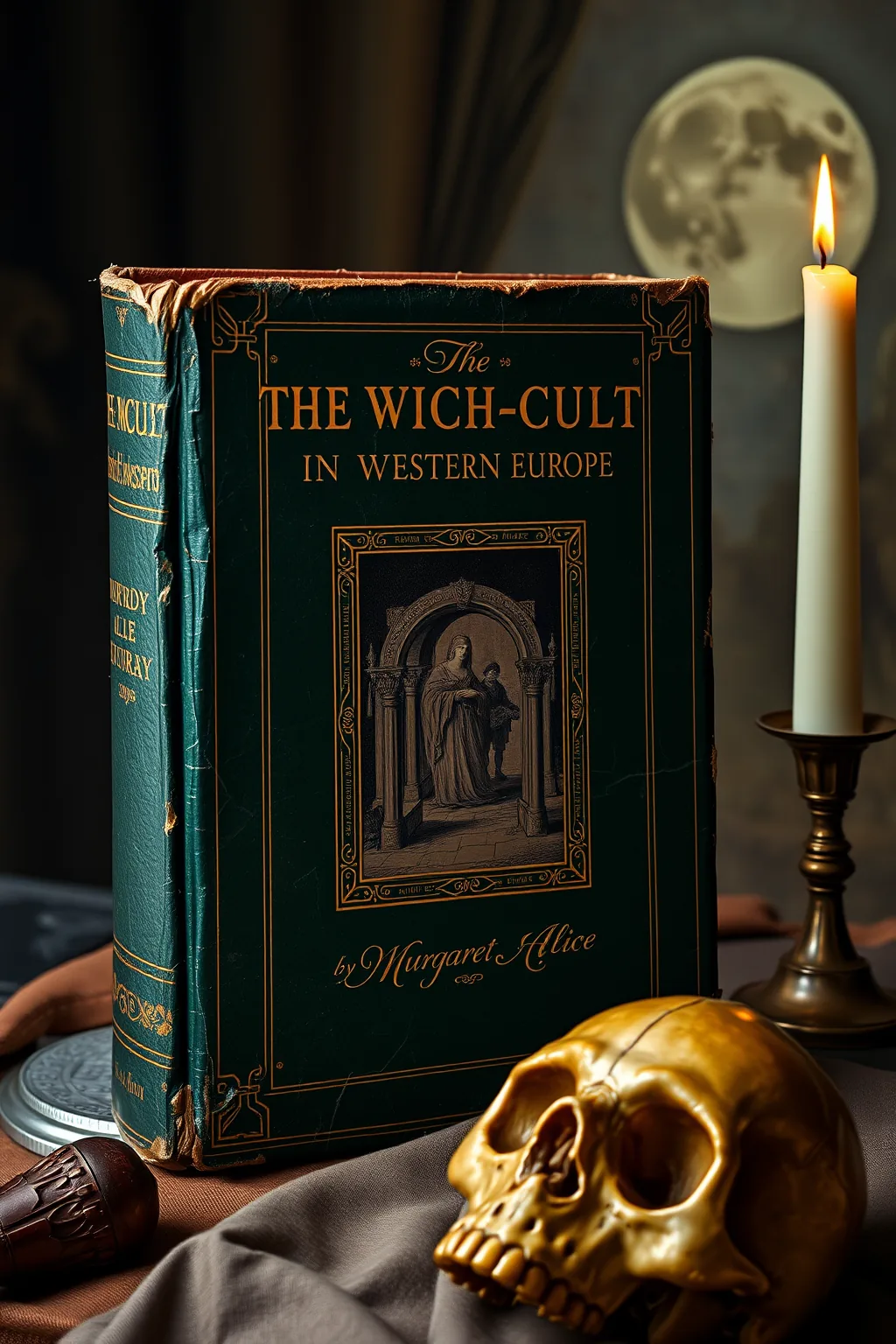
- The Witch-cult in Western Europe: A Study in Anthropology
 89
89

The Witch-cult in Western Europe: A Study in Anthropology
Margaret Alice Murray's 1921 book proposed a widespread, organized witch-cult in Western Europe.
Margaret Alice Murray's 1921 study, 'The Witch-Cult in Western Europe', argues for the existence of an organized, widespread cult in Western Europe that practiced witchcraft. She connects this cult to pre-Christian pagan traditions and suggests that the witch trials were a suppression of this enduring faith. Murray details the supposed practices, beliefs, and symbols of this clandestine tradition, drawing on folklore, historical records, and anthropological observations. The book presents the 'witch' not as an isolated figure of evil, but as a member of a sustained spiritual system. This system, she contends, preserved ancient, nature-based mysteries. Murray's work challenged prevailing historical interpretations of witchcraft and its persecution, positing a continuous line of pagan practice beneath the surface of Christian Europe. It remains a significant, though debated, contribution to the study of historical witchcraft and its potential anthropological roots.
📝 About the book: The Witch-cult in Western Europe: A Study in Anthropology
💎 Expert review
📖 Why choose
Why this book is worth reading
Uncover the roots of Western witchcraft through a rigorous anthropological lens. This book is for seekers of hidden history, scholars of the occult, and practitioners wishing to understand the lineage of ancient traditions. It provides a foundational understanding of the potential pre-Christian spiritual structures that survived persecution, offering a unique perspective on the enduring power of earth-centered beliefs.
⭐ Customer reviews
Customer rating
Celeste Moreau (Divination & Symbolism Reviewer) — Margaret Alice Murray’s 'The Witch-Cult in Western Europe' remains an indispensable a reference for anyone serious about understanding the historical underpinnings of witchcraft. Murray’s rigorous anthropological approach, while debated, masterfully synthesizes fragmented evidence to propose a compelling theory of an organized, pre-Christian cult. Her meticulous examination of trial records and folklore offers useful insights into the ritualistic and social structures of this alleged clandestine tradition. This work is essential reading for scholars of religious history, occult studies, and cultural anthropology, providing a vital, albeit controversial, perspective on the enduring spirit of European paganism and its persecution.
Bought this as a gift for my sister and ended up ordering a second copy for myself. The language takes some getting used to, but it becomes part of the charm. My only quibble is the cover feels thinner than expected. Recommended with reservations.
Ordered this after seeing it referenced in another book I was studying. It pairs well with more modern commentaries on the same tradition. Some archaic spellings slow things down. Happy enough with the purchase.
This edition finally does the material justice. The symbolism is layered and generous to patient readers. Deserves a place on any esoteric bookshelf.
