
- Catalog
- Books
- Witchcraft Wicca
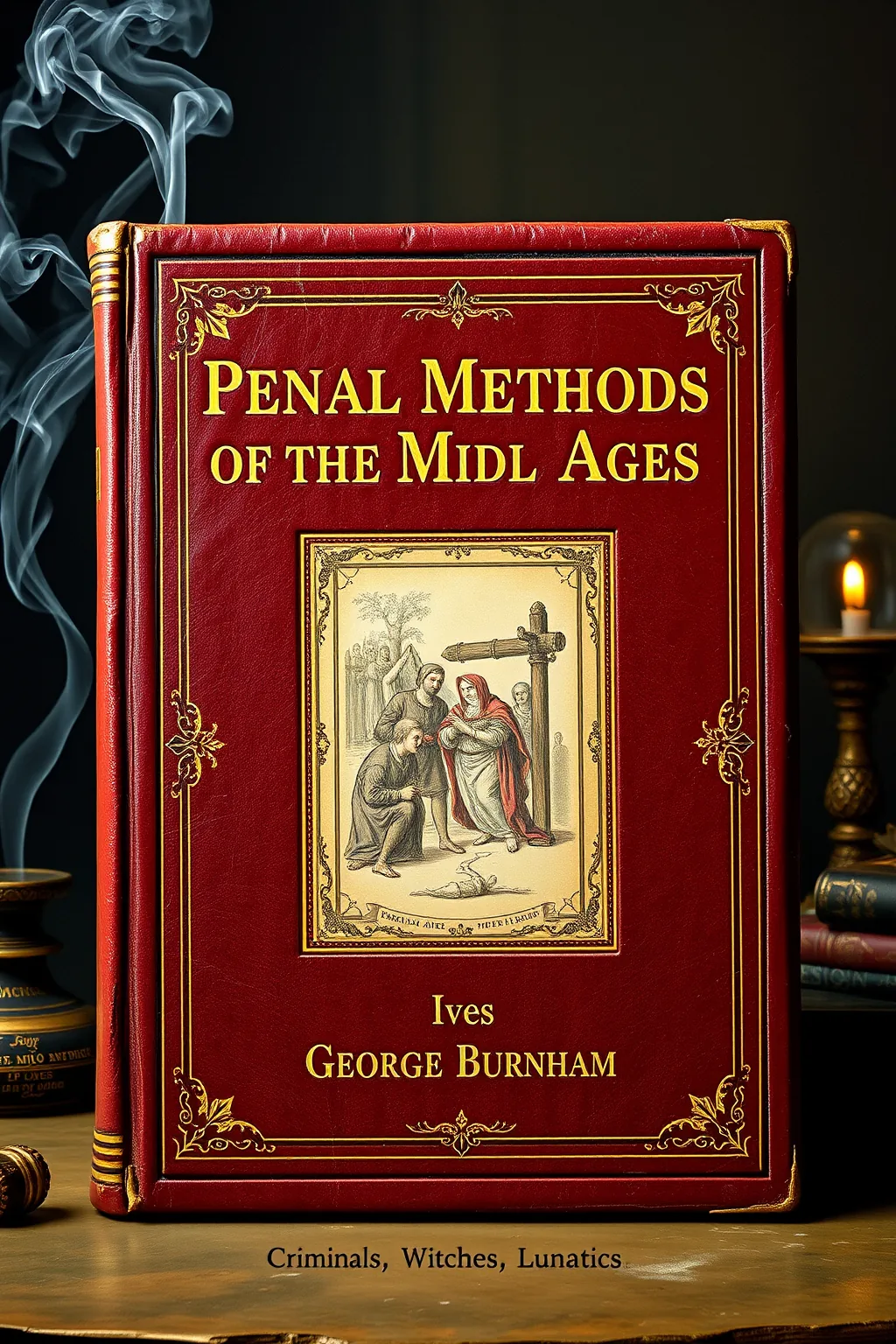
- Penal Methods of the Middle Ages: Criminals, Witches, Lunatics
 89
89

Penal Methods of the Middle Ages: Criminals, Witches, Lunatics
George Burnham Ives' 1914 book examines medieval punishment for criminals, witches, and the mentally ill.
George Burnham Ives' 1914 work, 'Penal Methods of the Middle Ages: Criminals, Witches, Lunatics,' scrutinizes the punitive practices of the medieval era. The book details how society addressed individuals categorized as criminals, those accused of witchcraft, and the mentally afflicted. Ives examines the symbolic and occult elements intertwined with medieval justice, showing how the era's worldview influenced its treatment of perceived transgressors. The text describes a period where the distinctions between the sacred and the secular were indistinct. Punishments frequently involved rituals imbued with hidden meanings. The book aims to illuminate the medieval understanding of deviance and the methods employed to maintain social order. It offers a look into the philosophical underpinnings of justice and retribution during this historical period.
📝 About the book: Penal Methods of the Middle Ages: Criminals, Witches, Lunatics
Look at the dark heart of medieval penal methods with 'Penal Methods of the Middle Ages: Criminals, Witches, Lunatics' by George Burnham Ives. This gripping exploration of historical justice systems unearths the mystical and occult underpinnings of punishments meted out to criminals, witches, and the mentally afflicted. Ives combines a body of hidden knowledge and symbolism, revealing how the medieval mind perceived and dealt with those deemed to have transgressed the boundaries of society. The book's atmospheric narrative transports readers to a time when the line between the divine and the profane was blurred, and justice was often administered through rituals laden with esoteric significance. Ideal for seekers of esoteric wisdom, scholars of medieval history, and practitioners of the occult, this book offers profound philosophical insights into the nature of justice, punishment, and the human psyche. Through its evocative descriptions and deep analysis, 'Penal Methods of the Middle Ages' invites readers to contemplate the enduring mysteries of the soul and the supernatural forces that have shaped human civilization.
💎 Expert review
📖 Why choose
Why this book is worth reading
Read 'Penal Methods of the Middle Ages: Criminals, Witches, Lunatics' to gain a deeper understanding of the mystical and occult elements that shaped medieval justice systems. This book is ideal for seekers of esoteric wisdom, scholars of medieval history, and practitioners of the occult. Through its rich descriptions and profound analysis, it offers unique insights into the nature of justice, punishment, and the human psyche. The book's atmospheric narrative and deep exploration of hidden knowledge make it a must-read for anyone interested in the enduring mysteries of the soul and the supernatural forces that have shaped human civilization.
⭐ Customer reviews
Customer rating
In 'Penal Methods of the Middle Ages: Criminals, Witches, Lunatics,' George Burnham Ives presents a meticulously researched and compelling exploration of medieval justice. This book is a rich source of esoteric insights, offering readers a unique perspective on the mystical and occult elements that permeated the penal systems of the time. Ives' authoritative voice and deep understanding of the subject matter make this work an essential read for anyone interested in the intersection of history, spirituality, and the occult. The book's strength lies in its ability to unearth hidden knowledge and symbolism, providing readers with a profound understanding of how medieval society viewed and punished those who transgressed its norms. 'Penal Methods of the Middle Ages' is particularly valuable for scholars of medieval history, practitioners of the occult, and seekers of esoteric wisdom. Its rich descriptions and thoughtful analysis make it a standout contribution to the field of mystical literature.
Ordered this after seeing it referenced in another book I was studying. I found myself reading passages aloud just to sit with them. A few pages arrived with light corner wear, though nothing serious. Solid, if not essential.
Not my usual area but wanted to branch out. It connects ideas I'd only seen treated separately elsewhere. Plenty of passages worth underlining; my copy is already full of margin notes. My only regret is not ordering it sooner.
Arrived faster than expected and well packaged. Every rereading turns up something I missed. The ideas are old but land with surprising force today. Shipping was quick too.
Finally got around to ordering this. The text itself is dense but rewarding — you get out what you put in. The typesetting is comfortable for study, with good margins for notes. If you're drawn to this subject, don't hesitate.
