
 89
89

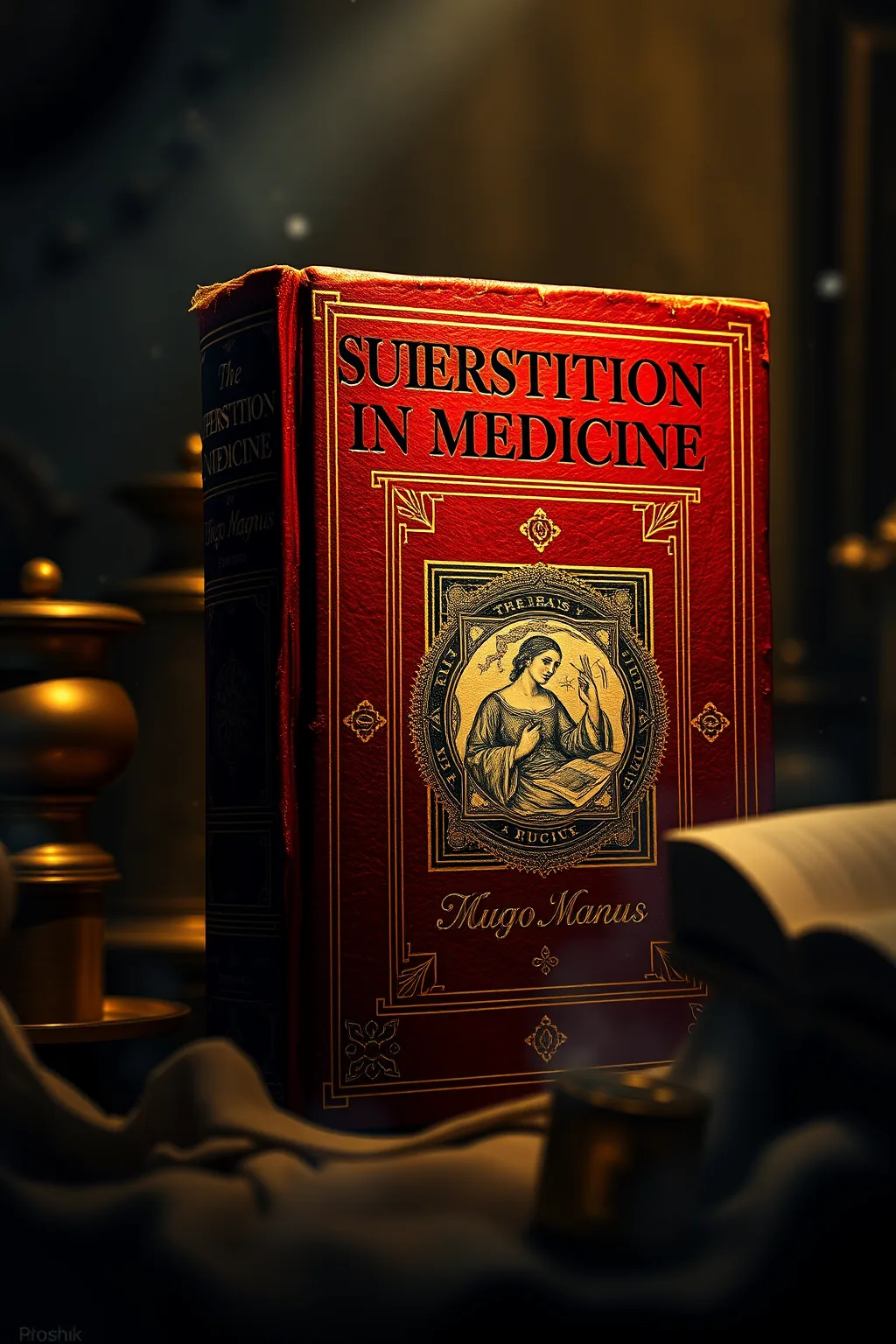
Superstition in Medicine
Hugo Magnus's 1937 book examines the historical link between astrological beliefs and medical practices.
Hugo Magnus's 1937 study, 'Superstition in Medicine,' investigates the historical connections between astrological concepts and medical theory. The author looks at how celestial observations and beliefs about planetary influence shaped understandings of health, disease, and treatment across different eras. Magnus traces the symbolic language and hidden meanings embedded within medical traditions that drew from or paralleled esoteric thought. He discusses specific examples of how these beliefs manifested in medical diagnosis and therapeutic approaches throughout history. The book aims to shed light on these often overlooked aspects of medical history. This work is for those interested in the philosophical underpinnings of medical history and the role of non-scientific belief systems. Magnus considers the ideas that formed the background to more empirical medical developments, showing how astrological frameworks informed explanations of bodily function and illness. The text presents a detailed look at how these historical superstitions were integrated into the broader understanding of medicine before modern scientific methods became dominant. It offers a perspective on the continuity of certain symbolic and conceptual patterns within medical discourse.
📝 About the book: Superstition in Medicine
Dive into the enigmatic world of 'Superstition in Medicine' by Hugo Magnus, a profound exploration of the mystical intersections between astrology and medical history. This book unveils hidden knowledge and symbolism that have shaped our understanding of health and healing, combining a body of esoteric insights and philosophical significance. For seekers of hidden truths and scholars of the occult, Magnus's work offers a deep dive into the ancient and mystical practices that have influenced modern medicine. The atmospheric narrative invites readers to contemplate the mystical underpinnings of medical misconceptions, providing a unique perspective on the hermetic traditions that have long been shrouded in mystery.
💎 Expert review
📖 Why choose
Why this book is worth reading
Read 'Superstition in Medicine' to uncover the hidden mystical connections between astrology and medical history. Ideal for seekers of hidden knowledge, scholars of the occult, and practitioners of esoteric traditions, this book offers clear insights into the philosophical significance of ancient medical practices. Discover how symbolism and hidden knowledge have shaped our understanding of health and healing.
⭐ Customer reviews
Customer rating
In 'Superstition in Medicine,' Hugo Magnus masterfully unravels the esoteric threads that connect astrology and medical history. This book is a valuable collection for those intrigued by the mystical dimensions of health and healing. Magnus's scholarly approach and evocative prose make this a must-read for anyone interested in the occult and hermetic traditions. The author's deep understanding of astrological symbolism and medical misconceptions provides a fresh perspective on ancient practices, making it an invaluable resource for both beginners and seasoned practitioners.
Ordered this after seeing it referenced in another book I was studying. Some chapters demand a slow, careful read, and that's exactly the point. Shipping was quick too.
My third book from this store and this one might be the best. The language takes some getting used to, but it becomes part of the charm. A few pages arrived with light corner wear, though nothing serious. Still worth having on the shelf.
I collect works on this subject and this is a worthy addition. The material is presented clearly and the structure makes it easy to revisit key passages.
Been hunting for a decent copy of this text for ages. Some sections stopped me cold in the best way. The historical context alone makes it worth the price. My only quibble is the cover feels thinner than expected. Solid, if not essential.
Needed this for my research. Some chapters demand a slow, careful read, and that's exactly the point. Every rereading turns up something I missed.
