
- Catalog
- Books
- Witchcraft Wicca
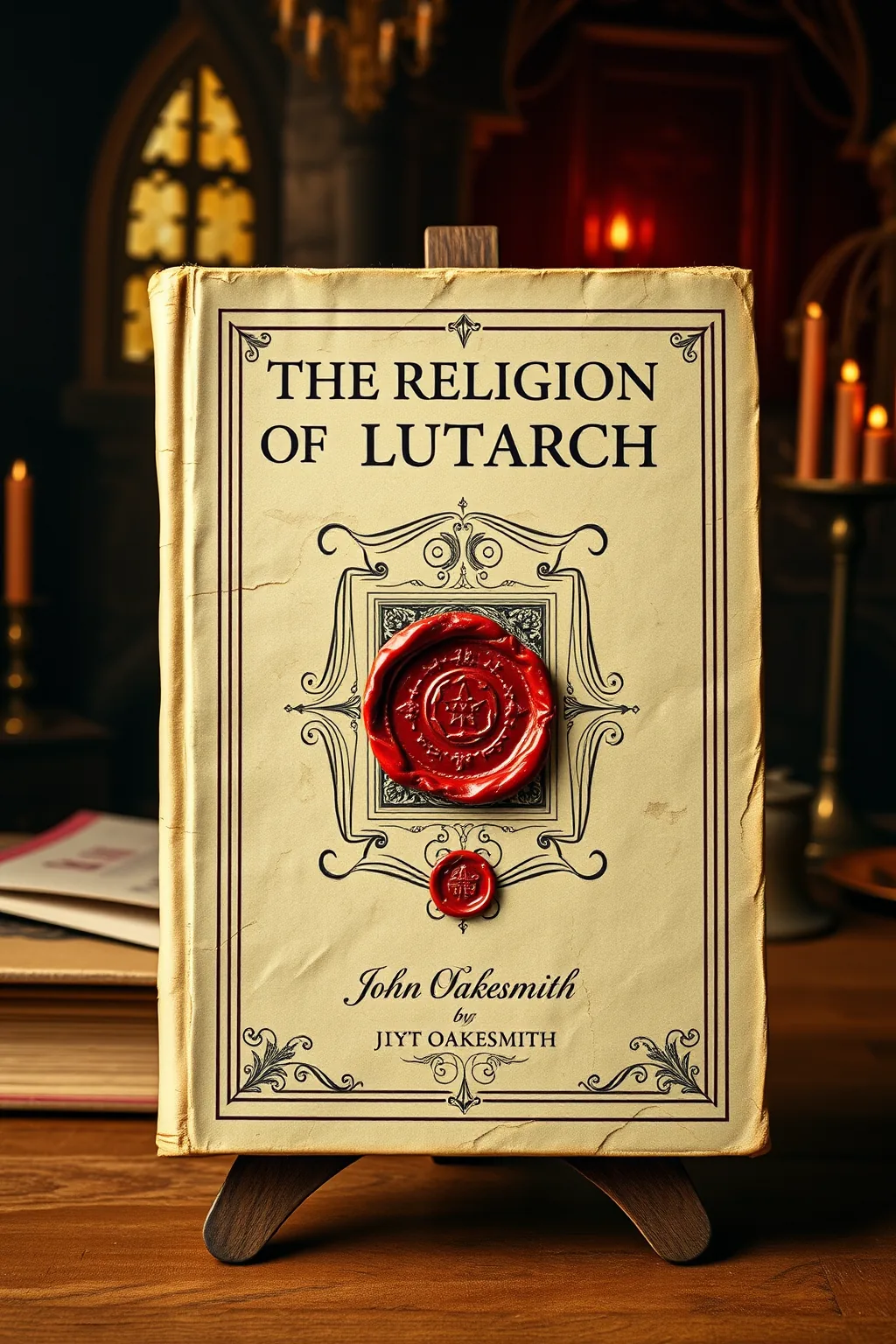
- The religion of Plutarch: A pagan creed of apostolic times
 75
75

The religion of Plutarch: A pagan creed of apostolic times
John Oakesmith's 1914 study examines Plutarch's religious thought as a pagan creed during the apostolic age.
John Oakesmith's 1914 book, 'The Religion of Plutarch: A Pagan Creed of Apostolic Times,' examines the philosophical and religious ideas of Plutarch within the context of the early Christian era. Oakesmith focuses on Plutarch's syncretic approach to religion, which drew from various Greek and Egyptian traditions. The author details how Plutarch interpreted deities, rituals, and the afterlife, presenting a vision of paganism that was both sophisticated and deeply spiritual. This work is not a simple historical account but an analysis of a belief system that coexisted with nascent Christianity. Oakesmith highlights Plutarch's emphasis on divine providence and the pursuit of virtue as central tenets. The book investigates the symbolic language and allegorical meanings present in Plutarch's writings, revealing a complex spiritual framework. It serves as a window into a period of significant religious transition, where older traditions adapted and responded to new theological currents.
📝 About the book: The religion of Plutarch: A pagan creed of apostolic times
Immerse yourself in the ancient wisdom of 'The Religion of Plutarch: A Pagan Creed of Apostolic Times' by John Oakesmith, a profound exploration of the mystical and esoteric beliefs that flourished in the early Christian era. This captivating work examines the hidden knowledge and symbolism that permeated the religious range of the time, offering a glimpse into the spiritual practices and philosophical underpinnings of pagan creeds. Oakesmith's meticulous research and evocative prose create an atmosphere of deep spiritual inquiry, making this book an essential read for seekers of hidden truths and practitioners of esoteric traditions. The book's philosophical significance lies in its ability to bridge the gap between ancient wisdom and modern spiritual seekers, providing a collection of mystical insights that resonate across the ages. Whether you are a seasoned scholar of occult studies or a curious beginner, this book promises to enrich your understanding of the mystical and esoteric traditions that have shaped human spirituality.
💎 Expert review
📖 Why choose
Why this book is worth reading
Why read this book — 'The Religion of Plutarch' is essential reading for seekers of hidden knowledge, scholars of ancient religion, and practitioners of esoteric traditions. It offers a unique perspective on the mystical beliefs that shaped the spiritual range of the early Christian era. Whether you are looking to deepen your understanding of ancient paganism or explore the esoteric insights of Plutarch, this book provides a rich and evocative journey into the mystical heart of ancient religion.
⭐ Customer reviews
Customer rating
John Oakesmith's 'The Religion of Plutarch' is a masterful exploration of the pagan beliefs that coexisted with early Christianity. Oakesmith's deep dive into the esoteric insights of Plutarch offers readers a rare opportunity to understand the mystical underpinnings of ancient religion. The book's strength lies in its ability to present complex philosophical ideas in an accessible manner, making it an invaluable resource for both scholars and spiritual seekers. Oakesmith's work is particularly significant for its emphasis on the symbolism and hidden knowledge that were integral to pagan creeds. This book is a must-read for anyone interested in the intersection of mysticism and early Christian thought.
Was skeptical at first. The material is presented clearly and the structure makes it easy to revisit key passages. I found myself reading passages aloud just to sit with them. Shipping was quick too.
Took a chance on this and glad I did. It connects ideas I'd only seen treated separately elsewhere. The print is clean and easy on the eyes for long sessions. Shipping was quick too.
This has been on my wishlist for months. It reads better in small doses — a chapter at a time with notes. It pairs well with more modern commentaries on the same tradition. I'd have loved an index, but that's on the original text. Recommended with reservations.
As someone who reads a lot in this field, I can be picky. A text you study rather than simply read. The language takes some getting used to, but it becomes part of the charm. My only regret is not ordering it sooner.
This exceeded my expectations. You can tell why this work has endured. Challenging in places, but never needlessly obscure. Glad I finally picked this up.
I keep coming back to this one. It connects ideas I'd only seen treated separately elsewhere. Great value for what you get.
